

The metallurgical coal price plays a central role in global steel production, industrial growth, and commodity markets. Unlike thermal coal—which is primarily used for power generation—metallurgical coal (also called met coal or coking coal) is vital for producing steel through the blast furnace process. As a result, fluctuations in metallurgical coal prices directly impact construction costs, vehicle manufacturing, infrastructure projects, and even government economic strategies.
In this comprehensive guide, we break down the major factors that influence the metallurgical coal price, current global trends, future forecasts, and what investors, buyers, and industry professionals should watch closely over the coming years.
What Is Metallurgical Coal and Why Does Its Price Matter?
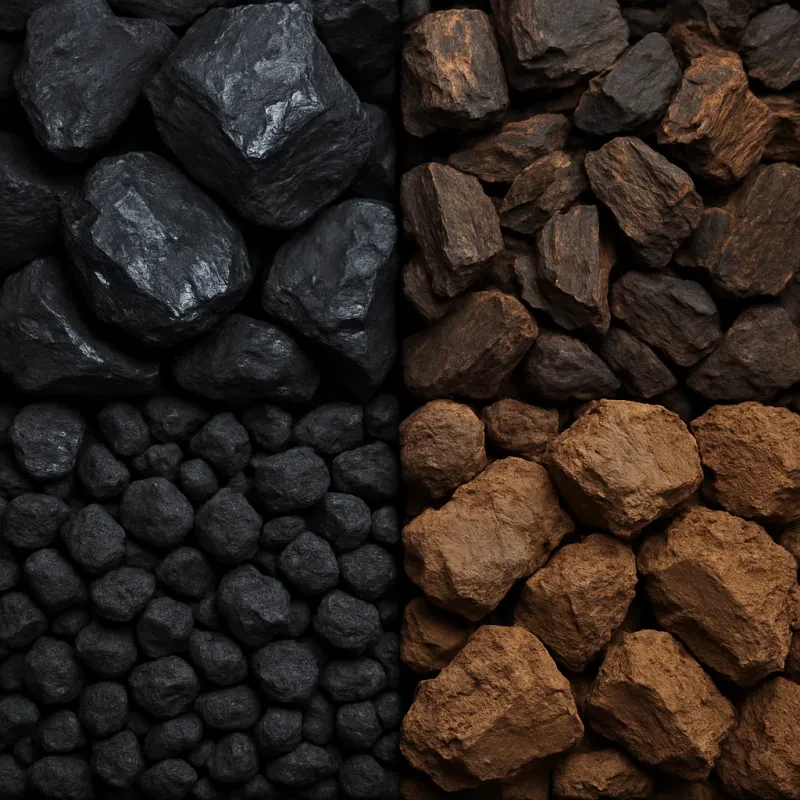
Metallurgical coal is a high-grade coal used specifically for steelmaking. When heated without oxygen, met coal transforms into coke, a carbon-rich material essential for operating blast furnaces. Because more than 70% of the world’s steel is produced using this process, metallurgical coal remains one of the most economically important natural resources on the planet.
Why the Metallurgical Coal Price Is Important
The metallurgical coal price affects:
-
Steel production costs
-
Infrastructure and construction pricing
-
Automotive and manufacturing sectors
-
Global commodity markets
-
Energy and industrial policy decisions
Even slight price swings can cause ripple effects across multiple industries, making accurate tracking of the metallurgical coal price essential for businesses and investors.
Types of Metallurgical Coal and Their Price Differences
Not all met coal is the same. Different types command different prices.
1. Hard Coking Coal (HCC)
-
Highest quality and most sought after
-
Produces the strongest coke
-
Usually the most expensive type
-
Major exporters: Australia, USA, Canada
2. Semi-Soft Coking Coal (SSCC)
-
Lower coke strength
-
Often blended with higher-quality coal
-
Typically cheaper than HCC
3. PCI Coal (Pulverized Coal Injection)
-
Used to reduce the amount of coke needed in blast furnaces
-
Lower cost alternative
-
Helps steel mills reduce expenses and emissions
Because each grade plays a different role in steelmaking efficiency, metallurgical coal prices vary significantly by type, and these differences influence contract negotiations and long-term buying strategies.
Key Factors That Influence the Metallurgical Coal Price
The price of metallurgical coal is shaped by global supply and demand, logistical challenges, environmental regulations, and broader economic conditions. Here are the major drivers:
1. Steel Demand and Industrial Growth
Steel production is the largest demand driver for metallurgical coal. When construction, automotive manufacturing, and infrastructure projects boom, steel mills increase output—raising the demand for met coal.
Examples of steel-driven price surges
-
Rapid industrialization in China and India
-
U.S. infrastructure spending bills
-
Rebuilding efforts after natural disasters
Whenever steel demand rises, metallurgical coal price increases often follow.
2. Supply Constraints and Mining Conditions
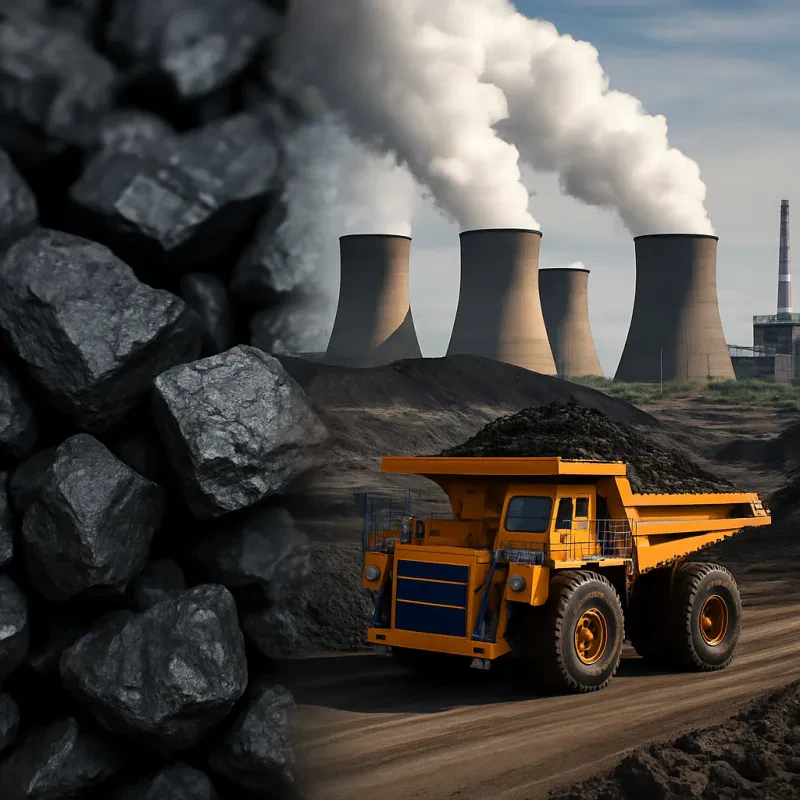
Mining companies extract metallurgical coal from underground or open-pit mines. Any disruption affects supply—and therefore price.
Major supply-related factors include:
-
Mine closures or safety issues
-
Labor strikes and union actions
-
Flooding and weather disruptions (especially in Australia)
-
Government restrictions or environmental inspections
Australia, which supplies more than half of globally traded met coal, frequently influences pricing due to weather-related production challenges.
3. Global Trade Policies and Tariffs
Trade tension between major economies can significantly affect metallurgical coal prices.
Examples:
-
China’s shifting import policies
-
Australian export restrictions
-
Tariffs between major steel-producing nations
If a region blocks or reduces imports of coking coal, buyers must source from alternative suppliers, often at higher prices.
4. Transportation and Logistics
The metallurgical coal price often reflects shipping costs, freight rates, and transportation bottlenecks.
Common logistical challenges:
-
Port congestion
-
Rail capacity shortages
-
Rising fuel costs
-
Geopolitical tension affecting shipping routes
When freight prices increase, delivered metallurgical coal prices climb accordingly.
5. Environmental Regulations
As global governments aim to reduce carbon emissions, new policies can alter coal production timelines and mining permits.
Environmental regulations influence:
-
Mining costs
-
Production limits
-
Investment in new mines
-
Long-term availability of metallurgical coal
Although steelmaking cannot yet fully eliminate the need for met coal, sustainability rules still affect its price trajectory.
Historical Trends in Metallurgical Coal Prices
Over the past two decades, metallurgical coal price trends have shown dramatic cycles influenced by global economic activity, mining disruptions, and steel demand patterns.
Key Historical Moments
-
2008 Global Financial Crisis reduced steel output, causing prices to plunge.
-
2011 Australian floods sent prices soaring due to major supply disruptions.
-
2020 COVID-19 pandemic caused temporary drops, followed by a massive rebound in 2021.
-
2022 geopolitical tensions boosted volatility across all energy and raw material markets.
Metallurgical coal has proven to be one of the most volatile commodities, especially compared to thermal coal or iron ore.
Current Metallurgical Coal Price Environment
As of the most recent global trading data, metallurgical coal prices remain elevated relative to historical averages. Several factors continue to support higher prices:
-
Strong steel demand in emerging markets
-
Persistent supply limitations in Australia and North America
-
Increased investment in infrastructure worldwide
-
High energy costs and shipping rates
Even though markets occasionally cool, analysts agree that structural demand for steel keeps the metallurgical coal price from sustained long-term declines.
Regional Differences in Metallurgical Coal Pricing
Because different regions dominate either the supply or demand side of the met coal market, significant geographical price variations exist.
1. Asia-Pacific (APAC) Pricing
APAC—especially China, India, Japan, and South Korea—is the largest consumer of metallurgical coal.
Key APAC trends:
-
China’s domestic mines affect import prices
-
India’s growing steel demand pushes prices upward
-
Australian supply issues drive volatility
Spot prices in this region often set the tone for the global market.
2. North American Pricing
The U.S. and Canada export high-quality hard coking coal to Europe and Asia.
North American prices reflect:
-
Mining regulations
-
Transport costs to ports
-
Export capacity
-
Global benchmark pricing from Australia
Domestic shipping constraints can elevate delivered prices for buyers in the Midwest and East Coast regions.
3. European Pricing
Europe relies heavily on imported metallurgical coal, making prices highly sensitive to global shipping trends and international supply contracts.
Key influences:
-
War-related disruptions in Eastern Europe
-
EU carbon reduction policies
-
Steel production cycles in Germany, Italy, and Eastern Europe
European steel mills often pay premium freight rates due to distance and geopolitical risk.
Short-Term Forecast: Where Is the Metallurgical Coal Price Headed?
Analysts expect the metallurgical coal price to remain relatively strong in the near term due to:
-
Continued demand from Asian steel mills
-
Limited investment in new mining projects
-
Ongoing logistical and shipping challenges
-
Geopolitical uncertainties affecting commodity flows
However, short-term volatility is common. Seasonal weather disruptions in Australia or sudden changes in China’s import levels can move prices sharply within weeks.
Long-Term Outlook for Metallurgical Coal Prices
Long-term forecasts are more complex, especially with increasing pressure to decarbonize steelmaking. However, several realities support met coal demand for decades:
1. Blast Furnace Steelmaking Remains Dominant
More than 70% of global steel production still uses blast furnaces requiring coking coal.
2. Industrial Growth in Developing Nations
India, Vietnam, Indonesia, and African countries are rapidly expanding steel capacity.
3. Limited Availability of High-Quality Met Coal
Only a few regions in the world produce premium-grade hard coking coal, ensuring its long-term economic value.
4. Slow Transition to “Green Steel”
While hydrogen-based steelmaking is promising, widespread adoption is decades away.
Conclusion:
The metallurgical coal price is expected to remain stable to strong over the long term, supported by structural demand and constrained supply.
How Steel Mills Manage Metallurgical Coal Price Volatility
Steel producers take several steps to shield themselves from price swings.
1. Long-Term Supply Contracts
Mills often lock in prices for months or years to reduce uncertainty.
2. Diversification of Coal Sources
Sourcing from multiple countries reduces risk from regional disruptions.
3. Using PCI and Alternative Fuels
PCI coal and natural gas injections help reduce total coking coal consumption.
4. Hedging Strategies
Some companies use commodity futures or financial derivatives to stabilize costs.
Investment Opportunities Linked to Metallurgical Coal Prices
Investors often track metallurgical coal price trends to evaluate potential opportunities in:
-
Mining companies with strong met coal reserves
-
Steel producers positioned for demand growth
-
Shipping and logistics firms serving the commodity sector
-
Commodity ETFs tied to steel or mining indices
Because metallurgical coal is cyclical, investors must monitor economic conditions closely.
Challenges Facing the Metallurgical Coal Market
Despite strong demand, the industry faces long-term challenges that may influence future prices.
1. Decarbonization Pressure
Governments worldwide are pushing steelmakers to reduce emissions, which may limit coal use over decades.
2. Financing Restrictions
Banks and investors are increasingly reluctant to fund new coal projects, restricting supply expansions.
3. Environmental Compliance Costs
Stricter regulations increase mine operating costs, adding upward pressure on pricing.
Future Technologies That Could Impact Metallurgical Coal Prices
Several developing technologies may influence the metallurgical coal price landscape:
Hydrogen-Based Steelmaking
A promising alternative, but currently expensive and not yet scalable.
Electric Arc Furnaces (EAF)
EAF steel relies on scrap metal instead of coal, but limited scrap availability prevents full replacement of traditional steelmaking.
Carbon Capture and Storage (CCS)
This technology could help steel mills use coal more cleanly, supporting long-term met coal demand.
Conclusion: Why the Metallurgical Coal Price Will Continue to Shape Global Markets
The metallurgical coal price remains one of the most important indicators in global steelmaking and industrial development. Despite environmental concerns and emerging technologies, met coal continues to be the backbone of steel production. Its price reflects a complex balance of supply, demand, global trade, energy costs, and economic cycles.
For steel mills, construction companies, investors, and commodity analysts, understanding metallurgical coal price trends is crucial for forecasting costs, managing risk, and making strategic decisions.
As the world continues building new infrastructure, transportation networks, and industrial projects, metallurgical coal will remain a key resource—and its price will continue influencing global markets for decades to come.