

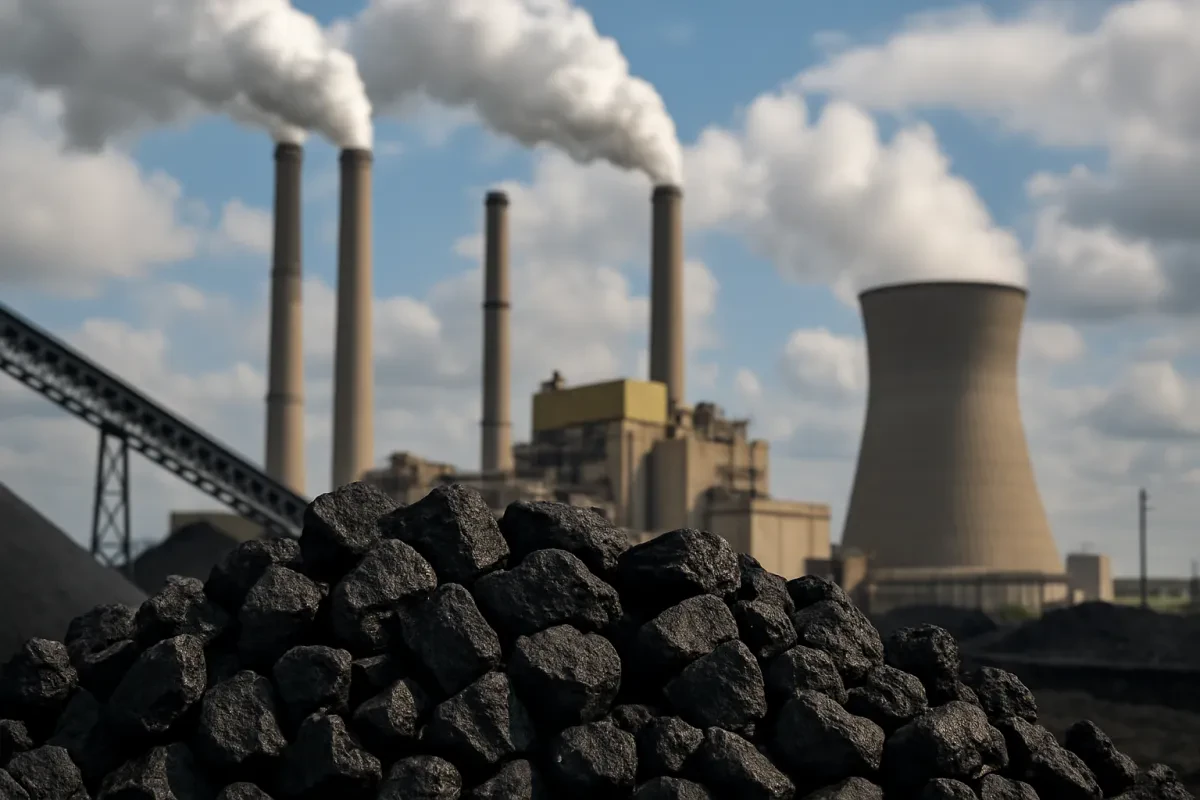
Steam coal remains one of the most influential energy sources in the world—powering electricity generation, industrial production, and global trade. Even as renewable energy gains momentum, steam coal continues to play a substantial role in bridging the gap between current energy demand and the future of sustainable power. For industries, policymakers, investors, and energy consumers, understanding what steam coal is, how it is used, and the market factors surrounding it is essential.
This comprehensive guide explores the fundamentals of steam coal, including its characteristics, applications, production regions, environmental considerations, and the evolving global market. Whether you work in mining, energy production, or commercial trade—or you're simply looking to learn more—this article provides a deep, SEO-friendly overview of one of the world’s most important fossil fuels.
What Is Steam Coal?
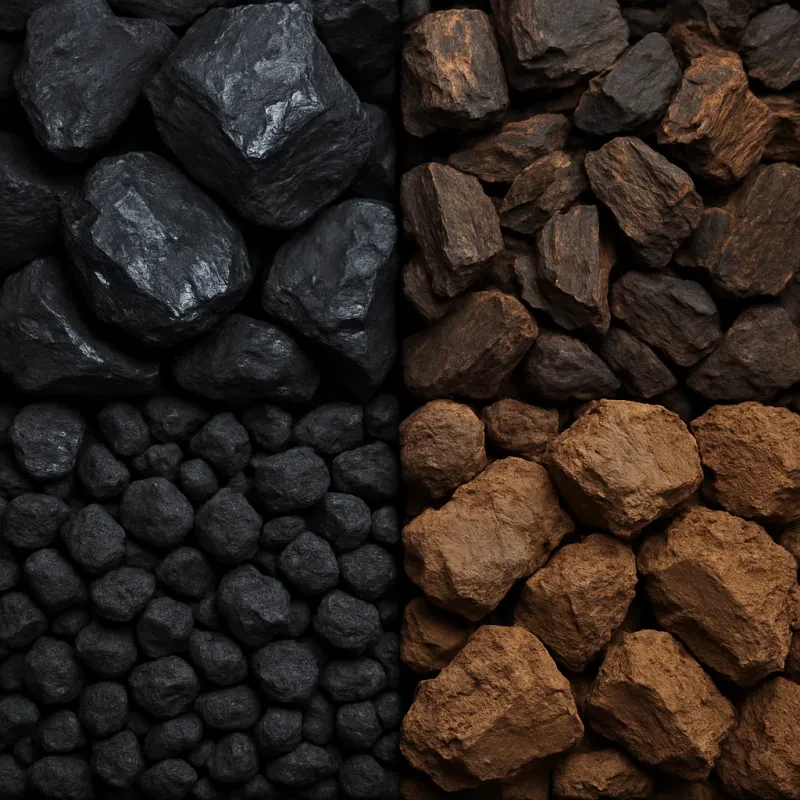
Steam coal, also known as thermal coal, is a type of coal primarily used for heat and power generation. Unlike coking coal, which is used in steel manufacturing, steam coal is burned to create steam that drives turbines or heats industrial processes. It is valued for its energy content, cost efficiency, and ease of transport, making it a key fuel in global electricity grids.
Key Characteristics of Steam Coal
Steam coal is typically classified based on:
-
Calorific Value (CV): The amount of energy produced when the coal is burned. High-CV coals produce more energy per ton.
-
Moisture Content: Lower moisture increases energy efficiency.
-
Ash Content: Determines the amount of residue left after combustion.
-
Volatile Matter: Influences ignition and burn rate.
Coal quality varies significantly depending on its geographic origin, geological development, and mining conditions.
How Steam Coal Is Used
Steam coal serves as a backbone of industrial and electrical energy production around the world. Despite the steady rise of renewable energy sources, many countries still rely heavily on coal for stable and affordable power.
1. Electricity Generation
The most common use of steam coal is electricity generation in thermal power plants. Here’s how the process works:
-
Coal is burned in a boiler.
-
The heat converts water into high-pressure steam.
-
Steam drives turbines connected to electricity generators.
-
Power is then distributed to homes, businesses, and industries.
Coal-fired power remains attractive for many countries due to:
-
Low cost compared to natural gas or oil.
-
Availability of abundant domestic coal reserves.
-
Ability to provide stable, 24/7 baseload power.
2. Industrial Heat and Steam Production
Many large-scale industries rely on steam coal to power their operations. Key sectors include:
-
Cement manufacturing
-
Paper and pulp mills
-
Brick and tile production
-
Food processing
-
Chemical plants
Steam coal offers consistent heat production for processes requiring high-temperature furnaces or boilers.
3. District Heating and Combined Heat and Power (CHP)
Some countries, particularly in Europe and Asia, use steam coal for district heating systems that deliver hot water and steam to residential and commercial buildings. Combined heat and power plants (CHPs) also harness coal to generate both electricity and thermal energy.
Steam Coal vs. Other Types of Coal
It’s important to distinguish steam coal from other coal classifications.
Steam Coal (Thermal Coal)
-
Used for: Power generation and industrial heating.
-
Characteristics: Moderate energy content, higher moisture compared to coking coal.
Coking Coal (Met Coal)
-
Used for: Steel production in blast furnaces.
-
Characteristics: Low sulfur, low ash, high carbon content, forms coke when heated without air.
Lignite and Sub-Bituminous Coals
-
Lower energy content versions of coal often used in domestic markets.
Anthracite Coal
-
Highest carbon content and highest energy yield but more expensive.
Steam coal remains the most widely used type due to its balance of availability, cost, and energy performance.
Major Steam Coal Producing Countries
Coal is mined in over 70 countries, but a handful dominate global production.
1. China
China is the world’s largest coal producer and consumer. It uses steam coal extensively for electricity, steel, and industrial activity. Though transitioning toward renewables, it still builds new coal-fired power plants to meet growing demand.
2. India
India relies heavily on steam coal for its power grid. Domestic production continues to rise, but the country still imports coal, mainly from Indonesia, Australia, and South Africa.
3. Indonesia
One of the largest exporters of steam coal worldwide, Indonesia supplies major markets such as China, India, Vietnam, and the Philippines. Indonesian coal is known for its moderate calorific value and low ash.
4. Australia
Australia exports large quantities of both thermal and coking coal. Its steam coal is highly valued for its high calorific content and reliability.
5. South Africa
A significant global supplier, especially to Europe and the Middle East. South African coal is prized for its high energy content.
6. Russia
A major exporter, supplying European and Asian markets. Political and economic factors affect trade routes and pricing.
Global Demand for Steam Coal
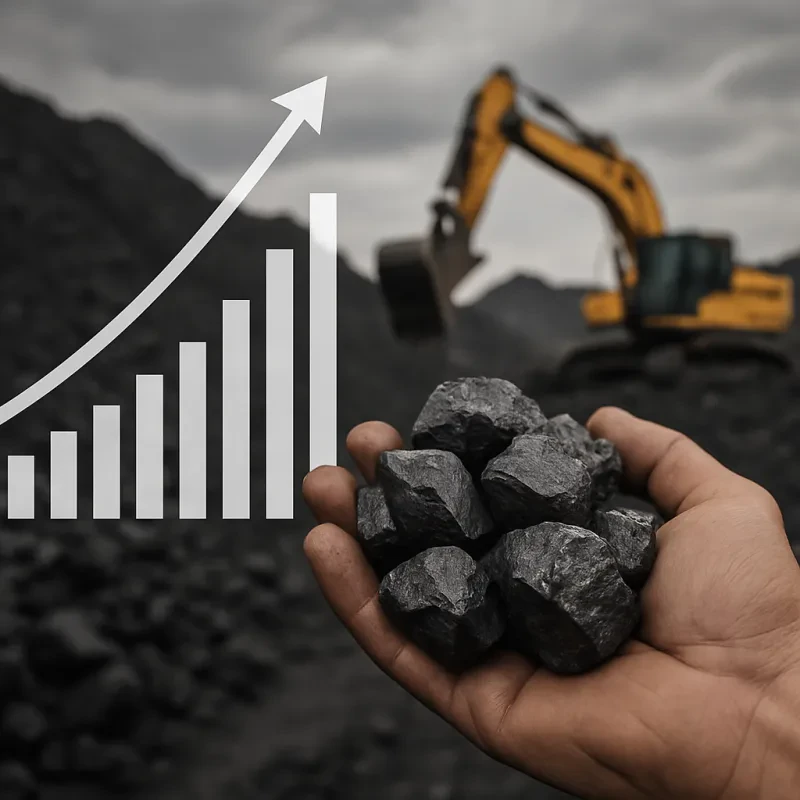
Despite global climate initiatives, demand for steam coal remains strong in many regions. Key trends shaping the market include:
Growing Energy Needs in Developing Nations
Many developing economies still rely heavily on coal due to:
-
Low cost
-
Readily available supply
-
Limited renewable infrastructure
Countries in Southeast Asia, Africa, and Eastern Europe continue to expand coal-fired power capacity.
Price Volatility and Supply Chain Challenges
Coal prices can fluctuate based on:
-
Weather patterns impacting mining or shipping
-
Export restrictions (e.g., Indonesia’s temporary bans)
-
Geopolitical tensions
-
Shifts in natural gas prices
These factors influence global trade dynamics and require energy-dependent industries to monitor price trends closely.
Competition from Natural Gas and Renewables
In regions with access to affordable natural gas—such as the United States—coal use has declined in favor of cleaner-burning fuels. Additionally, solar and wind power continue to grow rapidly, reducing coal’s share in some energy markets. However, due to intermittency challenges, coal remains an important backstop.
Environmental Impact of Steam Coal
Steam coal has been at the center of global environmental discussions for decades. Its combustion generates emissions that include:
-
Carbon dioxide (CO₂)
-
Sulfur dioxide (SO₂)
-
Nitrogen oxides (NOₓ)
-
Particulate matter
-
Mercury trace elements
Efforts to Reduce Coal’s Environmental Footprint
Despite concerns, new technologies aim to mitigate coal’s environmental impact.
Clean Coal Technologies
These include methods such as:
-
Flue Gas Desulfurization (FGD): Reduces sulfur emissions.
-
Electrostatic Precipitators: Capture fine particulates.
-
Carbon Capture and Storage (CCS): Captures CO₂ emissions before release.
-
Supercritical and Ultra-Supercritical Boilers: Increase energy efficiency and reduce emissions per kilowatt-hour.
Transition Strategies
Many countries are gradually transitioning to renewable energy while still using coal as a reliable backup. The transition must balance environmental responsibility with economic and energy reliability considerations.
The Future of Steam Coal
The outlook for steam coal varies based on region and industry.
1. Short- to Mid-Term Outlook
Demand is expected to remain stable or even grow in many developing nations due to:
-
Expanding population
-
Rapid industrialization
-
Lack of large-scale renewable infrastructure
Global coal consumption may shift from Western nations toward Asia and Africa.
2. Long-Term Outlook
As green technology becomes cheaper and more efficient, many countries plan to reduce coal dependency. However, completely eliminating coal from global energy systems will take decades.
3. Economic Considerations
Coal-rich nations see steam coal as a significant economic asset, supporting:
-
Mining jobs
-
Export revenues
-
National energy security
The balance between economic benefit and environmental cost will continue to shape steam coal policies worldwide.
Advantages of Steam Coal
Despite its challenges, steam coal retains several advantages:
Reliability
Coal-fired power plants can operate continuously, providing consistent baseload electricity.
Affordability
Coal remains one of the cheapest energy sources per kilowatt-hour in many regions.
Global Availability
Widespread reserves ensure long-term supply stability.
Industrial Use
Some industrial processes still require high-temperature heat that alternative energy sources cannot efficiently produce.
Challenges Facing the Steam Coal Industry
The industry is navigating significant challenges, including:
Environmental Regulations
Tighter emissions laws push companies to invest in cleaner technologies or shift to alternative fuels.
Public Pressure
Environmental groups and global climate goals place considerable pressure on coal-dependent nations and companies.
Competition from Renewables
Solar and wind have rapidly dropped in cost, increasing competition.
Transportation Bottlenecks
Shipping constraints, rail shortages, and port congestion can limit the flow of coal across regions.
The Role of Steam Coal in a Balanced Energy Strategy
Even as renewable energy sources expand, steam coal continues to fill critical gaps in global power systems. Energy experts believe the most realistic path forward involves an energy mix that includes:
-
Renewables
-
Natural gas
-
Nuclear energy
-
Clean coal technologies
The aim is not to eliminate coal overnight but to improve its efficiency and environmental performance while scaling alternative sources.
Conclusion: Why Steam Coal Still Matters Today
Steam coal has powered global growth for more than a century, and despite major shifts in the energy sector, it remains a foundational resource for electricity and industrial heat generation. As countries balance economic needs with sustainability goals, steam coal continues to play an essential role in global energy security, especially in developing nations.
From power generation to industrial processes, steam coal offers reliability, affordability, and unmatched energy output—qualities that ensure its relevance even as the world gradually transitions toward cleaner energy solutions.
Whether you're involved in mining, energy production, logistics, or commodity trading, understanding steam coal’s characteristics, market trends, and future outlook is essential for navigating today’s dynamic energy landscape.